


Central Obligations of Provincial and Federal Corporations on an Annual Basis
Running a corporation in Canada means keeping up with a set of annual legal and tax obligations that apply regardless of whether you’re active, profitable, or just holding assets. Miss them long enough and your corporation can be dissolved sometimes without warning. Whether you operate a provincial corporation, a federal corporation, or a professional corporation, understanding what’s due and when is one of the lowest-cost things you can do to protect what you’ve built.
Provincial Corporations: Three Annual Obligations
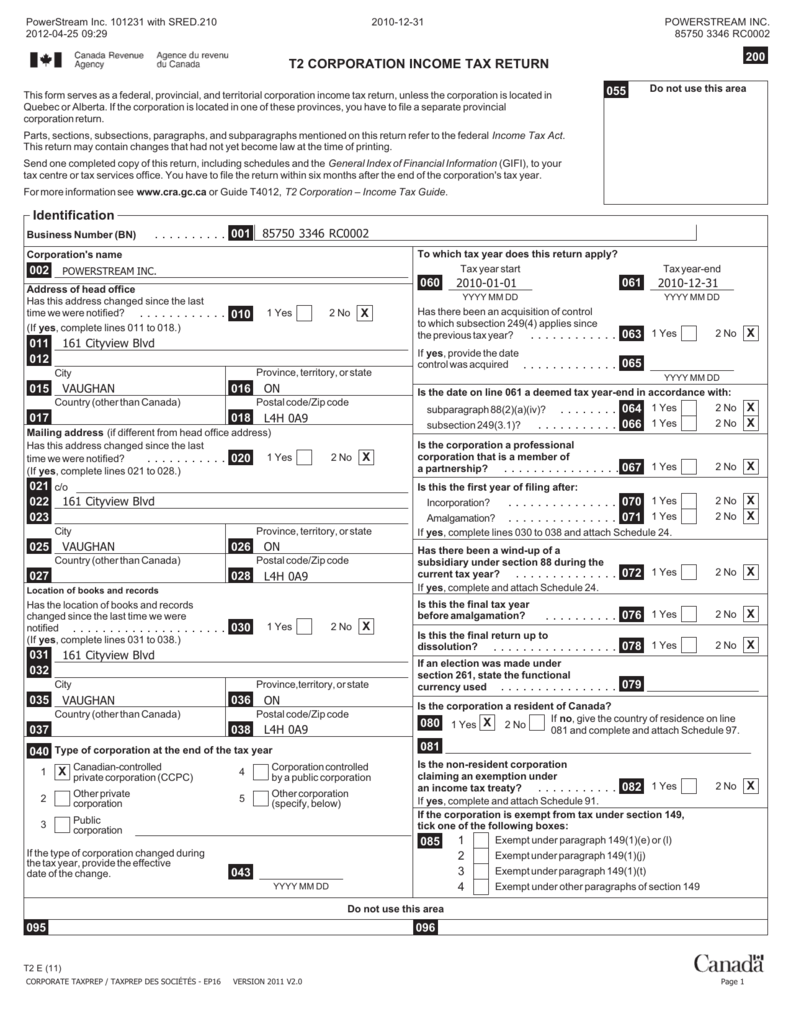
1. File a T2 Income Tax Return
Every Canadian corporation must file a T2 Income Tax Return each year, regardless of whether it earned income. The deadline is six months after the fiscal year end so for corporations with a December 31 year-end, that’s June 30. Your accountant handles this one. For more on how tax planning fits into your overall corporate structure, see our post on Corporate Tax Planning.
2. File an Annual Information Return (Ontario)
Introduced in October 2021, Ontario’s Annual Information Return must also be filed within six months of the fiscal year end. This is a corporate law filing separate from the T2 and failure to file can result in the Ontario Ministry striking your corporation from the registry. That’s dissolution, with all the complications that follow. This filing is typically handled by the corporation itself or its legal counsel. For a broader overview of what ongoing corporate compliance in Ontario involves, including the roles and responsibilities behind these filings, that’s a useful starting point.
3. Update the Minute Book with Annual Resolutions
Once the accountant has prepared the year-end financial statements, the corporation’s minute book needs to be updated with annual resolutions confirming that shareholders and directors have reviewed and approved those statements. This is a legal document prepared by a corporate lawyer, and it’s a statutory requirement, not optional paperwork. A minute book that hasn’t been updated in years is a red flag in any due diligence process and can create problems when you go to sell or refinance the business. If you’re thinking about a future sale or M&A transaction, a clean and current minute book is one of the first things a buyer’s counsel will request.
Federal Corporations: Everything Above, Plus One More
A corporation incorporated under the Canada Business Corporations Act (CBCA) must meet all three provincial obligations and file one additional document: an Annual Return with Corporations Canada.
This filing keeps the federal registry current on your corporation’s status, address, and directors. It costs $12 per year and takes minutes to complete. Despite that, it’s frequently overlooked, and the consequences of ignoring it are serious. Corporations Canada can dissolve a non-compliant corporation, and if that happens, reinstating it is far more expensive and time-consuming than simply filing on time. You can verify your corporation’s filing status through Corporations Canada’s online database.
The deadline for the federal Annual Return is within 60 days of the corporation’s anniversary date, the date it was incorporated, amalgamated, or continued under the CBCA. No filing is required for the year of incorporation.
Professional Corporations: An Additional Layer
A professional corporation one owned and operated by members of a regulated profession such as physicians, dentists, lawyers, engineers, accountants, veterinarians, or social workers carries all the same obligations as a provincial corporation, plus one more: the annual renewal of a Certificate of Authorization with the relevant regulatory body.
The certificate is valid for 12 months and must be renewed each year. If it lapses and isn’t renewed within 12 months of expiry, it’s automatically revoked. That means the corporation can no longer legally offer professional services, a significant disruption for a practice that depends on it. Professional corporations also benefit from proper tax structuring to take full advantage of the small business deduction and income-splitting opportunities available to incorporated professionals.
Why Staying Current Actually Saves Money
The compliance obligations above exist in the background, easy to overlook when the business is busy. But the cost of falling behind adds up quickly. A CRA audit triggered by years of unfiled returns is far more expensive than the filings themselves. Shareholders can dispute the need for retroactive audited financial statements, particularly where a shareholder agreement is silent on the point. Dissolved corporations require reinstatement proceedings. And a minute book that hasn’t been maintained can hold up a sale or financing at the worst possible moment.
Staying current is, in most cases, one of the cheapest things a corporation can do.
Speak With a Corporate Lawyer at Kalfa Law Firm
Annual resolutions and annual returns are legal filings. Your accountant handles the T2, but the rest typically falls to your corporate lawyer. Kalfa Law Firm helps Canadian business owners stay on top of their compliance obligations so nothing falls through the cracks.
Contact us today to speak with a corporate lawyer about your corporation’s annual requirements.
FAQ’s:
-Shira Kalfa, BA, JD, Partner and Founder
Shira Kalfa is the founding partner of Kalfa Law Firm. Shira’s practice is focused in corporate-commercial and tax law including corporate reorganizations, corporate restructuring, mergers and acquisitions, commercial financing, secured lending and transactional law. Shira graduated from York University achieving the highest academic accolade of Summa Cum Laude in 2012. She graduated from Western Law in 2015, with a specialization in business law. Shira is licensed to practice by the Law Society of Ontario. She is also a member of the Ontario Bar Association, the Canadian Tax Foundation, Women’s Law Association of Ontario, and the Toronto Jewish Law Society.
© Kalfa Law Firm 2021. Updated August 25, 2026